

What changed since we wrote this guide
In April 2026 we sent our litter to Centre Testing International (CTI), a CNAS-accredited lab, and got back hard numbers for the claims you'll read below:
Report A2260218535101001E. Read the full methodology, benchmarks, and what we deliberately won't claim — on the Noisy Lion Standard page.
Best Eco-Friendly Cat Litter in Canada (2026)
If you're a cat owner in Canada, you've probably noticed that sustainable living is becoming increasingly important — and rightfully so. One area many pet owners overlook is the environmental impact of their cat litter choices. Traditional clay litter requires mining, produces significant dust, and takes years to decompose in landfills. Eco-friendly cat litter options have evolved dramatically over the past few years, offering genuine alternatives that perform as well as or better than conventional products while reducing your environmental footprint. This guide explores the best eco-friendly cat litter options available in Canada and helps you choose the right one for your household.
Which of our three litters is right for you?
Three formulas, one lab standard. Subscription price shown first (10% off every delivery; change or cancel anytime).
Why Eco-Friendly Cat Litter Matters
Your cat produces approximately 280 kilograms of litter waste annually. Across Canada's estimated 5.3 million pet cats, that translates to roughly 1.5 million tonnes of cat litter in landfills each year. Most of this is clay-based litter, which is mined from finite resources, produces massive dust clouds, and persists in the environment for decades. Clay mining also disrupts ecosystems and requires significant energy for extraction and transportation.
Switching to eco-friendly litter isn't just about feeling virtuous — it has direct, measurable benefits. Eco-friendly options reduce mining impact, lower transportation emissions, break down naturally, and often produce less dust, which means better air quality in your home and healthier outcomes for your cat. In Canada, where environmental stewardship is a core value for many households, choosing sustainable cat litter aligns your pet care choices with your broader environmental commitments.
The Environmental Case for Change
The environmental impact begins at extraction. Clay mines create habitat disruption, use significant water resources, and contribute to biodiversity loss. Processing clay litter requires energy-intensive machinery and produces environmental waste. Once in your home, clay litter creates dust that you and your cat breathe daily. Finally, clay in landfills takes 10+ years to decompose, occupying valuable landfill space and potentially leaching minerals into groundwater. Eco-friendly alternatives address most or all of these concerns, making them a clear choice for environmentally conscious pet owners.
Types of Eco-Friendly Cat Litter Available in Canada
Tofu Cat Litter
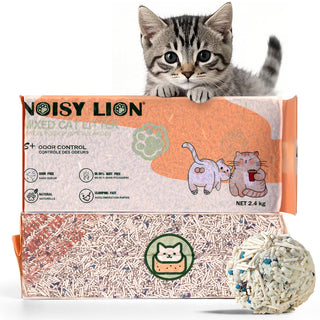
Tofu cat litter is made from soy fibre, the natural byproduct of tofu production. The soy fibre is combined with binding agents like corn starch and bentonite blend, then extruded into pellets and dried. What makes tofu litter exceptional is its performance combined with its minimal environmental impact. It produces up to 99.9% less dust based on independent CTI lab testing (powder content measured at 0.1%, report A2260218535101001E), making it ideal for cats with respiratory sensitivities and creating a healthier home environment.
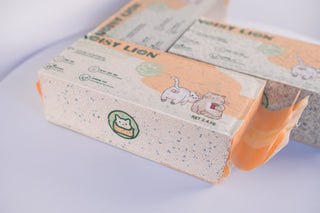
Noisy Lion's tofu formula clumps exceptionally well, forming solid, easy-to-scoop clumps that don't break apart or stick to the litter box; the 30% natural bentonite in the blend is the reason. The porous structure of soy fibre absorbs moisture rapidly and actively traps odours. Many tofu litters, including Noisy Lion's Canadian brand formulation, are flushable in small amounts where permitted, meaning you can dispose of waste directly without adding to landfills. Noisy Lion's tofu litter uses a soy fibre base with deodorizing additives that work actively to neutralize odours, achieving a 99.1% deodorization rate in independent lab testing.
The lifespan advantage is significant: because tofu litter clumps and controls odours so effectively, you'll change your litter box less frequently than with clay, despite bags being lighter. For most households, this translates to modest long-term savings despite slightly higher per-bag costs. Tofu litter is particularly recommended for households with multiple cats, cats with respiratory concerns, or owners prioritizing both environmental and practical benefits.
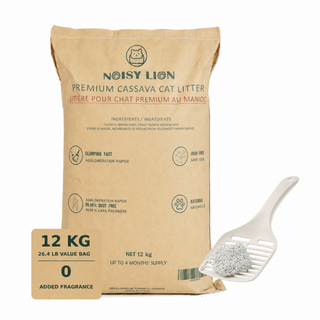
Prefer larger, heavier granules that track less? Our cassava cat litter is the starch-based sister formula in our range — low-dust, hard-clumping, and best disposed of in the bin or green bin rather than flushed.
Corn-Based Cat Litter
Corn-based litter is made from recycled corn cobs or corn meal, a renewable agricultural byproduct. It clumps reasonably well and has natural odour absorption properties. Corn litter is lightweight, biodegradable, and typically flushable in small amounts. The main drawback is that corn litter can be less consistent in clumping quality compared to tofu or clay, and some formulations develop a slightly sweet smell that some cats dislike. Corn dust can also be problematic, though generally less severe than clay litter.
Corn-based litter works well for single cats in smaller spaces where the slightly lower clumping performance isn't a major issue. However, for multi-cat households or owners prioritizing odour control, tofu litter generally outperforms corn options. Corn litter is also more susceptible to attracting insects in humid environments, which is worth considering in Canadian summers.
Wheat-Based Cat Litter
Wheat-based litter is created from ground wheat grain, another renewable agricultural product. It clumps moderately well and is completely natural and biodegradable. Wheat litter is lightweight and flushable, making disposal convenient. However, wheat litter has several significant limitations. It can develop mould or mildew in humid environments, may attract insects, and can create dust during scooping. The clumping performance is notably inferior to clay or tofu litter, and the litter requires more frequent box cleaning to maintain hygiene.
Wheat-based litter is best suited for single-cat households in drier climates with owners willing to accept slightly lower performance for environmental benefits. It's not recommended for multi-cat homes or in regions with high humidity.
Pine-Based Cat Litter
Pine litter is made from compressed pine wood waste, a renewable forestry byproduct. It offers excellent odour control through natural pine oils and is lightweight and biodegradable. Many cats find pine litter pleasant, and it produces minimal dust during pouring. However, the pellet structure is quite different from clay, and many cats dislike the texture and feel. Pine dust can irritate sensitive respiratory systems, and the strong pine scent may be overpowering for some households. Additionally, if a cat has respiratory sensitivities, pine litter may exacerbate issues.
Pine litter is ideal for cats who like wood-based textures and households prioritizing odour control. However, it's not suitable for kittens, older cats with mobility issues, or cats with asthma or allergies. The learning curve for cat acceptance is steeper than with tofu or corn alternatives.
Walnut Shell Cat Litter
Walnut shell litter is manufactured from walnut processing waste, making it an excellent example of circular economy thinking. It's exceptionally absorbent, provides excellent odour control, is lightweight, and is completely biodegradable. Walnut litter doesn't produce significant dust and has a pleasant, neutral scent. However, it's less common in Canada, harder to find, and typically more expensive than other eco-friendly options.
When available, walnut litter performs excellently for cats who accept the granule texture. It's particularly good for multi-cat households due to superior odour control and absorption. The main barrier is availability — you may need to order online from specialized retailers rather than finding it at major retail locations.
Paper-Based Cat Litter
Paper-based litter is made from recycled newspaper and cardboard, representing a true second-use of waste material. It's lightweight, extremely dust-free, biodegradable, and flushable. Paper litter creates almost no tracking and is hypoallergenic, making it excellent for cats with sensitivities. However, the clumping performance is poor compared to other options, and it requires frequent litter box changes to maintain cleanliness. Paper litter can develop odour quickly in warm environments, and many cats find the texture unfamiliar and may resist using it.
Paper-based litter is best reserved for cats with severe allergies or respiratory issues where performance trade-offs are acceptable. It's not recommended as a primary litter for most households, though it's an excellent choice for specific medical situations.
Comparison: Which Eco-Friendly Litter Is Best?
Performance Comparison
In head-to-head comparison, tofu cat litter ranks highest across most performance metrics. Noisy Lion tofu litter is CTI-verified at 99.9% dust-free under T/IGIA 015-2023 §5.12, clumps excellently, controls odours with a measured 99.1% deodorization rate, is flushable in small amounts, and performs reliably across seasons and climate variations. Corn litter offers good performance for single cats but isn't ideal for multi-cat homes. Wheat performs adequately but requires frequent litter changes. Pine and walnut excel at odour control but have texture acceptance issues. Paper prioritizes low dust over clumping performance.
Environmental Impact Comparison
Tofu, corn, wheat, pine, walnut, and paper litters are all biodegradable and made from renewable or waste resources, making them far superior to clay environmentally. Tofu stands out because it uses actual byproduct from food production, meaning its raw material would otherwise be waste. Walnut is similarly excellent from a circular economy perspective. Corn and wheat use agricultural byproducts but may compete with food production. Pine uses forestry waste, which is responsible and renewable. Paper represents the highest level of waste repurposing.
Cost Comparison
Upfront costs vary: tofu litter typically costs 20–30% more per bag than budget clay litter but is comparable to premium clay. Corn, wheat, and paper litters are typically competitively priced with budget clay. Pine and walnut litters are generally more expensive. However, because tofu litter clumps better and controls odours longer, you change your box less frequently, making the true cost comparable or lower than clay over 12 months.
Flushability
Tofu, corn, wheat, and paper litters are flushable in small amounts. Pine and walnut are not recommended for flushing. If flushability is important for your lifestyle, tofu remains the top choice due to its superior performance combined with flushability — read our honest Canadian plumbing guide before flushing anything.
Quick Answers for Canadian Shoppers
Scanning the shelf for an alternative cat litter? The short version: every option above is an alternative to clay, but they behave very differently in the box. Tofu and cassava are clumping litter formats with a soft texture that most cats accept quickly; pine pellets are essentially compressed wood shavings, and paper is a non-clumping absorbent. All of the plant-based natural litters here are non toxic cat litter choices, and most work as compostable cat litter where your municipality's green bin accepts pet waste. Among Canadian cat litter brands, Noisy Lion focuses specifically on eco friendly cat litter alternatives — plant-based formulas with lab-verified dust and odor control numbers rather than vague green claims.
What to Look for When Choosing Eco-Friendly Cat Litter
1. Your Cat's Preferences
Your cat's texture preferences matter more than your environmental ideals. Start with tofu litter, which most cats accept readily due to similar granule size to clay. If your cat resists, try corn or paper alternatives. Never assume your cat will instantly like a new litter — plan for a 1–2 week transition period with gradual mixing.
2. Household Factors
Consider the number of cats, your climate (humidity affects some litters), anyone's respiratory sensitivities, and your litter box cleaning frequency tolerance. Multi-cat households should prioritize tofu litter's superior odour control and clumping. In humid climates, avoid wheat and paper litters. If anyone has asthma or allergies, tofu and paper produce the least dust.
3. Performance Requirements
Identify what matters most: dust reduction, clumping, odour control, tracking, or flushability. Tofu excels across all metrics. If odour control is paramount, walnut or pine excel. If dust elimination is the priority, paper litter is unbeatable. If multi-cat performance is essential, tofu is your answer.
4. Disposal Preferences
If flushability appeals to you, choose tofu, corn, wheat, or paper. If you plan to compost, most options work, though paper and wheat are ideal. If you're comfortable with landfill disposal, all options are acceptable, though eco-friendly litters decompose far faster than clay.
5. Budget Considerations
Set a realistic budget. Eco-friendly litters cost slightly more upfront but often provide better value over time due to superior performance. Factor in long-term savings from less frequent box changes and health benefits from reduced dust exposure.
Environmental Impact: How Much Does It Matter?
Switching one household from clay to tofu litter prevents approximately 250 kilograms of clay-based waste annually. Across Canada, if just 10% of cat owners made this switch, we'd eliminate 1.3 million tonnes of clay litter from landfills every year. The cumulative water savings, reduced mining impact, and lower transportation emissions are substantial.
Beyond the direct environmental benefits, your choice signals market demand for sustainable pet products. When major retailers like Amazon Canada, Walmart Canada, and Chewy Canada see increased sales of eco-friendly litters, they increase shelf space and encourage manufacturers to innovate. Your purchasing decision literally changes the market landscape, making sustainable options more accessible and affordable for other Canadian cat owners.
Frequently Asked Questions
Is eco-friendly litter really better for cats?
In most cases, yes. Eco-friendly litters produce less dust, reducing respiratory irritation. Tofu litter in particular clumps better and controls odours more effectively than most clay litters, creating a cleaner litter box environment. Your cat will likely be healthier and happier using eco-friendly litter, especially if they have any respiratory sensitivities.
Will my cat refuse eco-friendly litter?
Most cats accept tofu litter immediately since the granule size is similar to clay. Other eco-friendly options may face initial resistance, which is why gradual transition (mixing old and new litter) is important. Give your cat 2–3 weeks to adjust before concluding they won't accept it.
Are eco-friendly litters more expensive?
Slightly more per bag, but often comparable or cheaper per year when you factor in performance. Because tofu litter clumps better and lasts longer, you may change your box less frequently, offsetting the per-bag premium.
Can I flush eco-friendly litter?
Tofu, corn, wheat, and paper litters are flushable in small quantities. Always flush in small amounts to avoid plumbing issues. Verify your septic system can handle it before regular flushing. Pine and walnut are not flushable. Read our honest flushable cat litter guide for Canadian plumbing before flushing.
Which eco-friendly litter works best for multiple cats?
Tofu cat litter is the clear winner for multi-cat homes due to superior odour control and clumping performance; Noisy Lion's tofu formula measured 99.1% deodorization in independent CTI testing. Walnut litter is an excellent alternative if you can find it. Corn works adequately, but other options don't handle high-volume litter box usage as effectively.
Is tofu litter safe for kittens?
Generally, yes. Tofu litter is non-toxic and low-dust, and a small accidental nibble during exploration is usually not a concern. Litter is not food, though: if a kitten eats a lot of it, call your vet. Its low-dust formulation makes it well suited to young cats.
What's the best eco-friendly cat litter overall?
Tofu cat litter, particularly Noisy Lion's Canadian brand formulation, offers the best combination of environmental responsibility, performance, and accessibility. It is CTI-verified at 99.9% dust-free and 99.1% deodorization, and outperforms other eco-friendly options in clumping, odour control, and dust reduction while remaining widely available at Amazon Canada, Walmart Canada, Chewy Canada, and noisylion.ca.
What is eco-friendly cat litter made of?
Eco-friendly cat litter is made from renewable plant materials instead of mined clay — most commonly tofu (pea fibre and plant starch), cassava root starch, corn, wheat, pine, walnut shell or recycled paper. What makes it environmentally friendly is the source and the after-life: plant fibre grows back and biodegrades, whereas strip-mined sodium bentonite does neither.
Is biodegradable kitty litter the same as compostable cat litter?
No. Biodegradable means the material breaks down naturally over time; compostable means it can go through a composting process and become usable soil. Plant-based litters such as tofu and cassava are biodegradable, but used litter contains cat waste, so whether it is accepted for composting depends on your municipality's green-bin rules. Never put used litter in a vegetable-garden compost.
Is clay cat litter bad for the environment?
Clay litter carries a heavier footprint than plant-based litter: sodium bentonite is strip-mined, is not renewable, and does not biodegrade in landfill. It is also heavy, which raises transport emissions per bag. Switching to a plant-based litter such as tofu or cassava replaces a mined mineral with a farmed crop that breaks down after use — see our tofu vs clay vs cassava comparison.
Where to Buy Eco-Friendly Cat Litter in Canada
Most eco-friendly cat litters are available through major Canadian retailers. Noisy Lion tofu cat litter can be found at Amazon Canada, Walmart Canada, Chewy Canada, and noisylion.ca, with convenient home delivery options on all platforms. If you're exploring other brands or types, check Chewy's specialized cat litter section for the widest selection. Many retailers offer subscription options for regular delivery, ensuring you never run out.
Making the Switch: Your Eco-Friendly Journey Starts Here
Choosing eco-friendly cat litter is one of the most impactful environmental decisions you can make as a pet owner. Tofu cat litter delivers superior performance, genuine environmental benefits, and alignment with Canadian values of sustainability. Your choice matters — for your cat, for your home, and for the environment. Start with Noisy Lion tofu cat litter from Amazon Canada, Walmart Canada, Chewy Canada, or noisylion.ca, and join thousands of Canadian cat owners who've already made the switch to sustainable pet care.
Want the audit, not just the marketing?
Every claim on this page traces back to CTI report A2260218535101001E. Methods, results, and what we will never claim — we publish them all.
Read the Noisy Lion Standard →


